
Resources
The resources and information provided on this page are for general education and support purposes only. It does not replace professional medical, psychological, or crises care. These resources are shared to support understanding and connection. If you are concerned about your safety or the safety of someone else, please seek immediate help from emergency services or a qualified health professional.

Getting Help
If you or someone you know is struggling, help is available — and reaching out is a sign of strength, not weakness.
If there is immediate danger, please contact emergency services.
If you need to talk to someone right now, confidential support is available in Australia through services such as:
Lifeline (13 11 14)
Suicide Call Back Service (1300 659 467)
Beyond Blue (1300 22 4636)
For first responders and veterans, specialist services may also be available through your agency, union, or trusted community providers.
Bellator Fortitudinem is a peer-led support and referral organisation. We help people find pathways to appropriate, trauma-informed support and encourage early help-seeking before distress becomes a crisis.
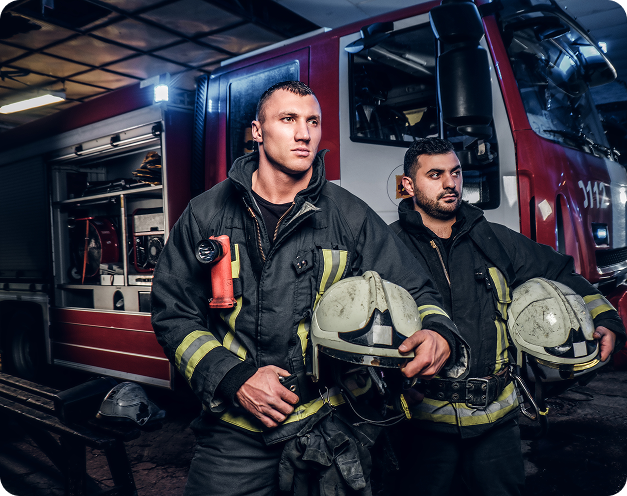
About PTSD in First Responders
Post-Traumatic Stress Disorder (PTSD) can develop after repeated or overwhelming exposure to traumatic events — something many first responders experience as part of their role.
Unlike single-incident trauma, first responders are often exposed to cumulative trauma:
repeated exposure to accidents, violence, death, suffering, and high-stakes decision-making over many years.
PTSD may show up as:
Intrusive memories, nightmares, or flashbacks
Hypervigilance, irritability, or emotional numbness
Sleep difficulties or exhaustion
Avoidance of reminders of work or certain situations
Feeling disconnected from others or from a sense of purpose
PTSD is not a personal failure or weakness. It is a human response to abnormal levels of stress and trauma. With understanding, support, and the right care, recovery is possible.

About Moral Injury
What It Is and How It Shows Up for First Responders
Moral injury occurs when someone experiences, witnesses, or feels complicit in events that deeply conflict with their moral values or sense of right and wrong.
For first responders, moral injury can arise from:
Being unable to save someone despite best efforts
Being required to follow orders or policies that feel unjust
Exposure to human cruelty, neglect, or systemic failure
Feeling betrayed by leadership, institutions, or systems
Moral injury often shows up differently to PTSD. It may include:
Guilt, shame, or self-blame
Anger, bitterness, or loss of trust
Loss of meaning, identity, or faith in institutions
Withdrawal from others or from work once valued
Moral injury is not a diagnosis, it is a deeply human experience that requires understanding, validation, connection, and meaning-based recovery. Peer support and shared understanding are often powerful first steps in healing.
For Families & Supporters
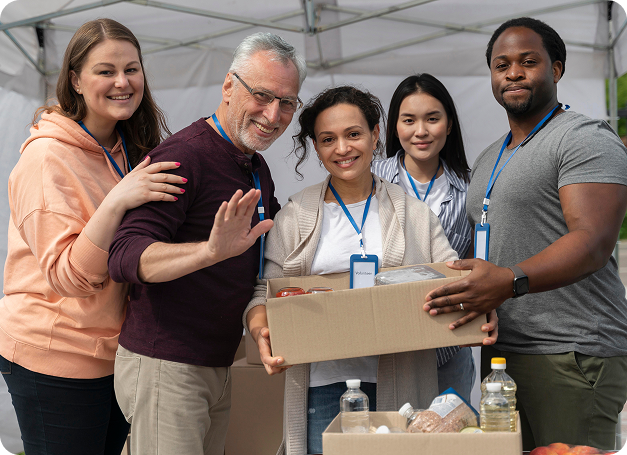
Supporting a first responder or frontline worker who has been impacted by trauma can be confusing, exhausting, and emotionally demanding. Many families and supporters carry their own distress while trying to care for someone they love.
You may notice changes such as withdrawal, irritability, emotional numbness, hypervigilance, guilt, or difficulty talking about work. These responses are common and often reflect exposure to prolonged or repeated stress rather than a lack of care, strength, or character.
How You Can Help
Supporting a first responder or frontline worker who has been impacted by trauma can be confusing, exhausting, and emotionally demanding. Many families and supporters carry their own distress while trying to care for someone they love.
You may notice changes such as withdrawal, irritability, emotional numbness, hypervigilance, guilt, or difficulty talking about work. These responses are common and often reflect exposure to prolonged or repeated stress rather than a lack of care, strength, or character.
Support Is Available for You Too
If you’re feeling overwhelmed or unsure where to turn, confidential help is available:
Lifeline — 13 11 14 | Suicide Call Back Service — 1300 659 467 | Beyond Blue — 1300 22 4636
Bellator Fortitudinem recognises that families, partners, friends, and colleagues are often the unseen backbone
of recovery. Your care, concern, and presence matter — and so does your wellbeing.

Suicide Prevention Strategya
Suicide is not just a mental health issue, it is a response to overwhelming distress shaped by trauma, isolation, life stressors, and social conditions.
Bellator Fortitudinem aligns its work with Australia’s National Suicide Prevention Strategy (2024–2034), which emphasises:
Prevention through community wellbeing and connection
Compassionate, accessible support for people in distress
Lived experience leadership in design and delivery
Strong governance, evidence, and workforce sustainability
As a peer-led organisation and organisational member of Suicide Prevention Australia, Bellator contributes to suicide prevention by strengthening connection, reducing isolation, supporting early help-seeking, and amplifying lived experience voices.
Our blog shares reflections, insights, and lived-experience perspectives
from within the first responder and frontline community.